







How to create a calming entryway
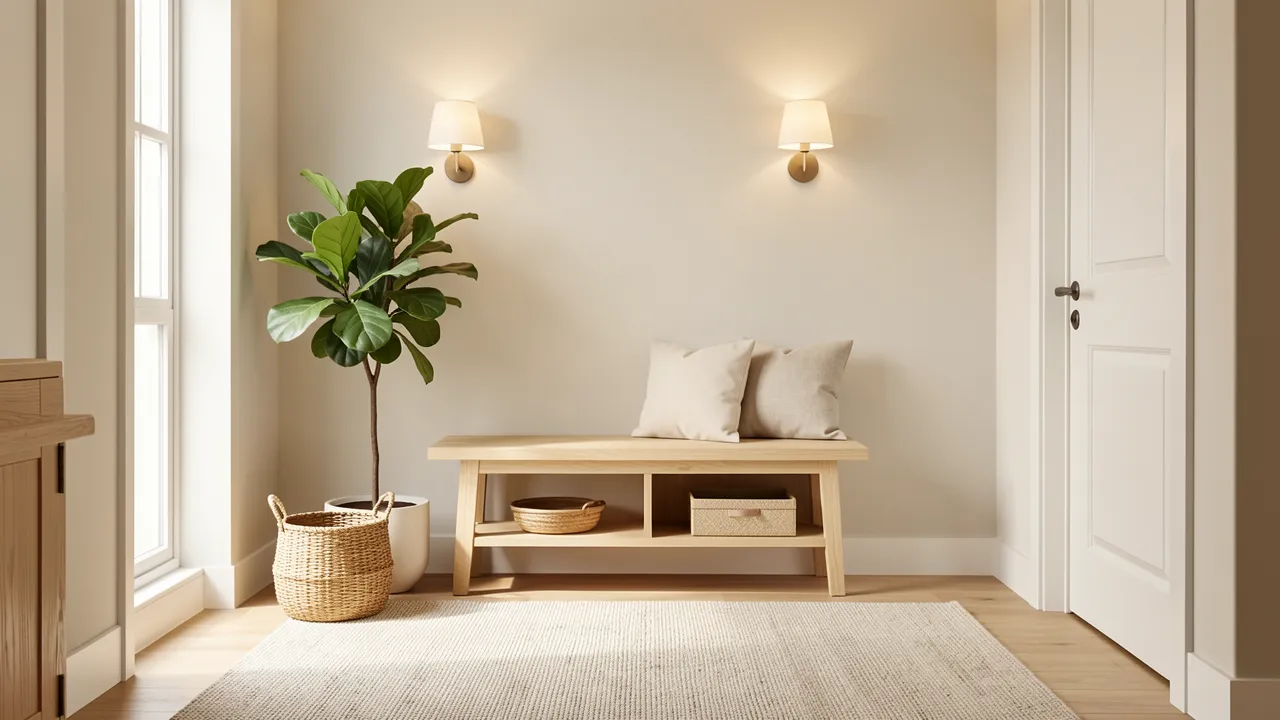
Your entryway sets the emotional tone for the rest of your home. Even a compact hall, porch, or corridor can feel restorative when it is organised around comfort, soft light, and a few intentional details. A calming entryway does not require a complete renovation. By reducing visual noise and choosing materials that feel pleasant to use every day, you can create a space that helps you arrive home with a clearer mind.
Start with a clear and uncluttered layout
A serene entryway needs room to breathe. Begin by removing objects that do not serve a regular purpose, such as outdated mail, unused bags, or shoes that belong elsewhere. The goal is not an empty space, but a functional one where every visible item earns its place.
Think about your daily arrival routine. You may need somewhere to hang a coat, place keys, remove shoes, and set down a bag. Position these elements in the order you naturally use them. A wall hook near the door, a small tray on a console, and a dedicated shoe basket can prevent clutter from spreading across the floor.
For larger hallways, choose furniture with a light visual profile. A narrow console table, slim bench, or wall-mounted shelf can provide function without making the room feel crowded. If storage is limited, Essential Bedroom Furniture and Storage Ideas offers useful principles that can also help you select compact, practical pieces for the entrance.
Choose a soft and grounded colour palette
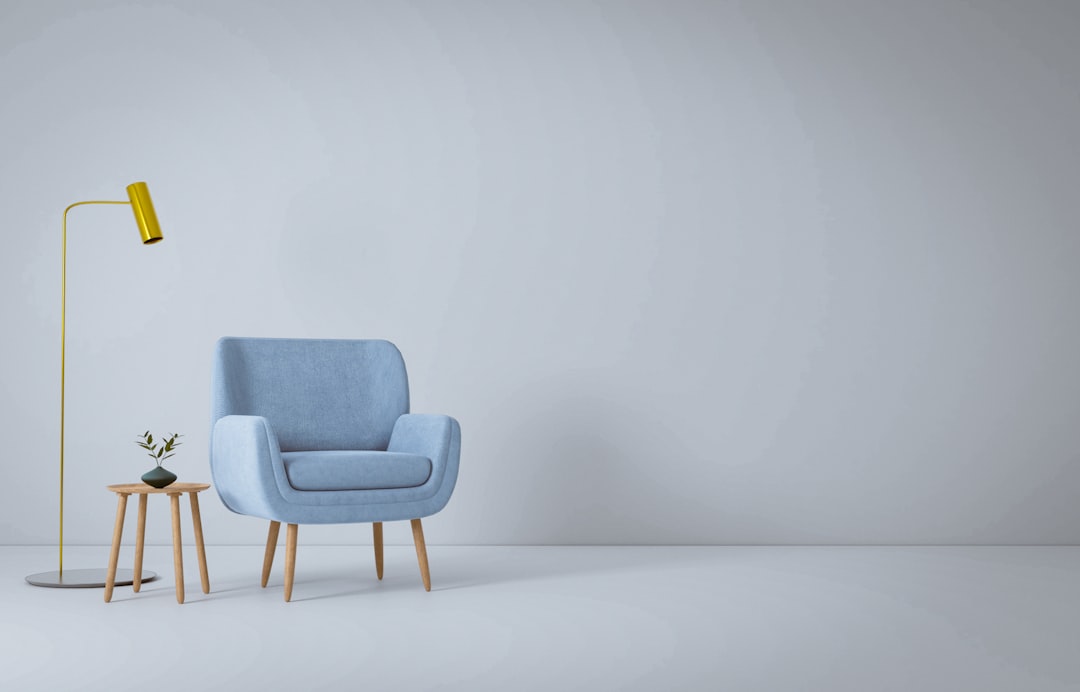
Colour has a strong effect on the atmosphere of a small transitional space. Soft neutrals, muted greens, warm greys, dusty blues, and gentle clay tones can make an entryway feel settled and inviting. These shades work particularly well because they do not demand attention the moment you step inside.
Consider the natural light available before choosing paint. A darker hallway can benefit from warm off-white walls or pale beige tones that reflect light without feeling stark. If your entryway receives generous daylight, deeper shades such as olive, mushroom, or soft charcoal can add a cosy, enveloping quality.
You can also introduce colour through smaller details if repainting is not practical. A textured runner, framed print, ceramic bowl, or upholstered bench cushion may be enough to establish a calm palette. Keep the number of colours limited, ideally two or three main tones with a few subtle variations.
Use layered lighting to soften the transition home
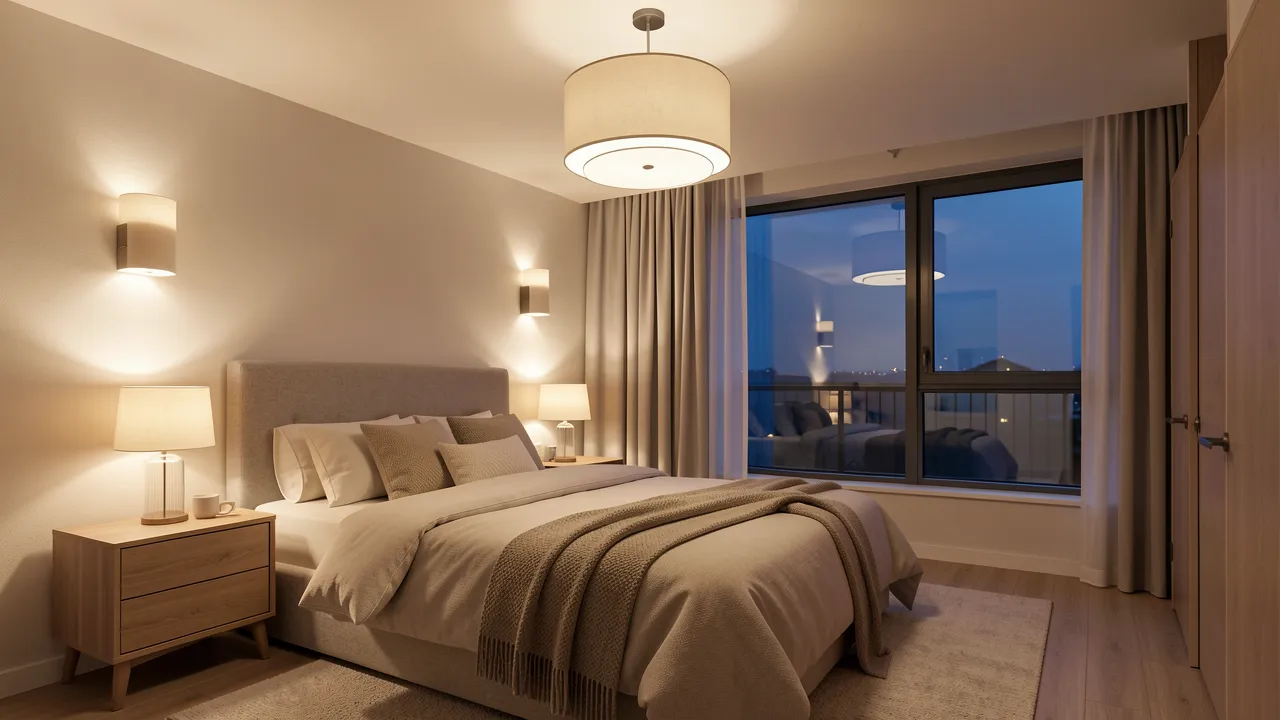
Harsh overhead lighting can make an entryway feel clinical, especially after dark. Instead, aim for layered lighting that creates both visibility and warmth. A ceiling fixture provides general illumination, while a table lamp, wall sconce, or small rechargeable lamp adds a gentler glow.
A lamp on a console table makes the entrance feel more personal and less like a passageway. Where space is tight, wall sconces can bring light closer to eye level without taking up floor or surface area. Choose bulbs with a warm colour temperature, generally around 2700K, for a relaxed effect.
Lighting choices work best when they support the proportions of the room. You can find further guidance in How to layer bedroom lighting effectively, including ways to balance ambient, task, and decorative light. The same approach can make your entrance more comfortable at every hour.
Add natural textures and sensory details
Calm is not only visual. The feel of a wooden tray, the softness of a woven runner, and the scent of fresh greenery all shape your experience of the room. Natural materials help an entryway feel warmer and more connected to the rest of the home.
Choose a durable runner in wool, jute, cotton, or a washable woven fabric. It should be large enough to define the route through the space while still leaving a border of visible flooring around the edges. A runner also reduces the sharp sound of footsteps, which can make an echoing hallway feel quieter.
A small plant or vase of seasonal branches adds life without overwhelming the room. If the entrance receives little daylight, use low-maintenance varieties such as snake plants, pothos, or preserved foliage. You might also place a subtle reed diffuser near the door, using gentle notes such as cedar, lavender, linen, or citrus.
Furniture with character can bring texture without adding excess decoration. A refinished stool, painted bench, or restored wooden mirror can introduce a sense of history. For ideas on giving older pieces a new purpose, see Upcycle Your Furniture: Creative Ideas for Chic Décor.
Create a small ritual for everyday organisation
The most peaceful entryways are easy to maintain. Establish a few simple habits that prevent everyday items from accumulating. A designated landing spot reduces the need to search for belongings when you leave the house.
Use containers that suit your routine, rather than adding decorative objects with no practical role. A shallow tray can hold keys and sunglasses, while a lidded basket can conceal gloves, dog leads, or reusable shopping bags. If several people share the home, assign each person a hook, basket, or compartment.
Before finalising the room, check that it supports these everyday needs:
- Keep the floor as clear as possible to make the space feel open and easy to clean.
- Use a tray or bowl for small essentials that tend to get misplaced.
- Add one warm light source that can be switched on when you return home.
- Limit decorative objects to a few meaningful, well-placed pieces.
- Choose storage that hides visual clutter while remaining easy to access.
- Refresh the space regularly by clearing mail, shoes, and seasonal items.
Create an entryway that welcomes you home
A calming entryway is built through thoughtful restraint rather than elaborate decoration. Clear surfaces, warm light, practical storage, and tactile materials can turn even the smallest threshold into a more peaceful place. When your entrance supports your daily routine and reflects the atmosphere you want throughout your home, returning home can feel like a genuine pause.