

How to choose artwork for small rooms
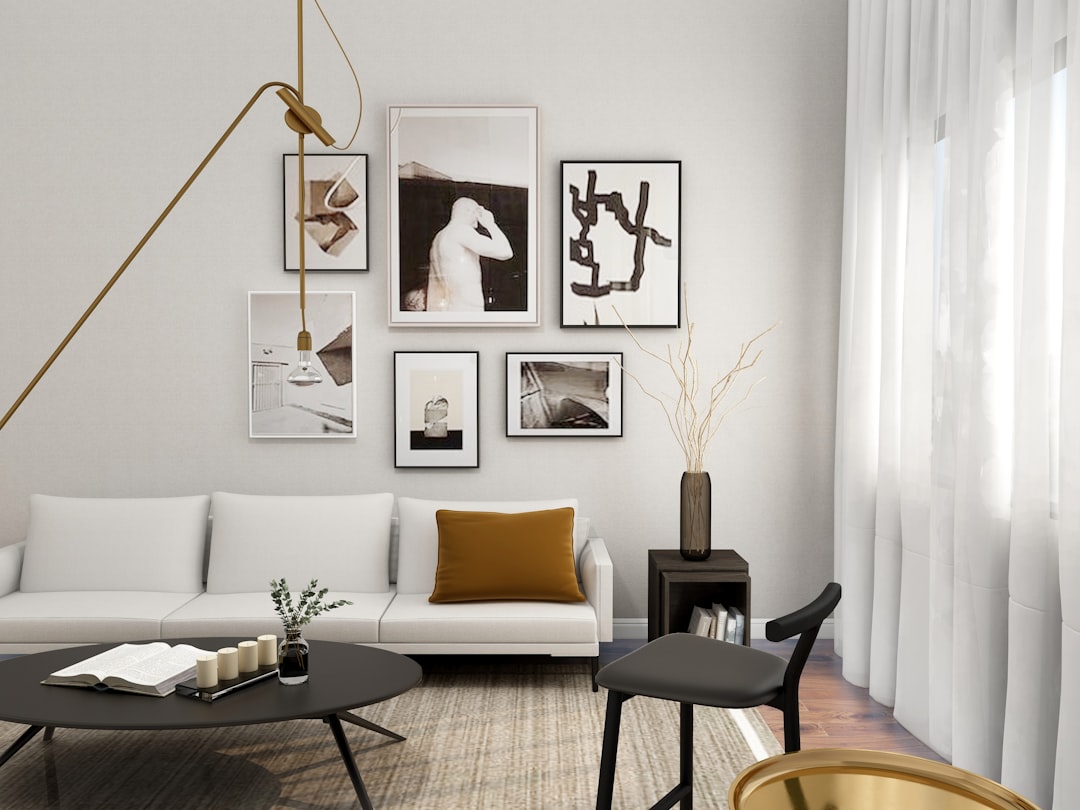
Choosing artwork for a small room is less about filling blank walls and more about shaping how the space feels. The right piece can add personality, depth and colour without making the room feel crowded. When you work with limited square footage, scale, framing, placement and visual calm all matter. A thoughtful selection helps you create a room that feels intentional rather than over-decorated.
Start with the room’s proportions and sightlines
Before choosing a print, painting or photograph, look at the wall from the main entry point and from where you usually sit. A small room often has only one or two dominant sightlines, so artwork becomes a focal point very quickly.
Measure the clear wall area, rather than the entire wall. A radiator, headboard, shelf or lamp may reduce the usable space considerably. For artwork above furniture, a practical guide is to choose a piece, or a grouped arrangement, that is roughly two-thirds the width of the furniture beneath it. This keeps the composition connected without overwhelming the room.
One large piece can work beautifully in a compact living room or bedroom, provided the wall around it remains uncluttered. A single oversized abstract print above a small sofa may feel calmer than six unrelated frames. Conversely, a narrow vertical artwork can make a low ceiling appear higher, especially when hung with its centre close to eye level.
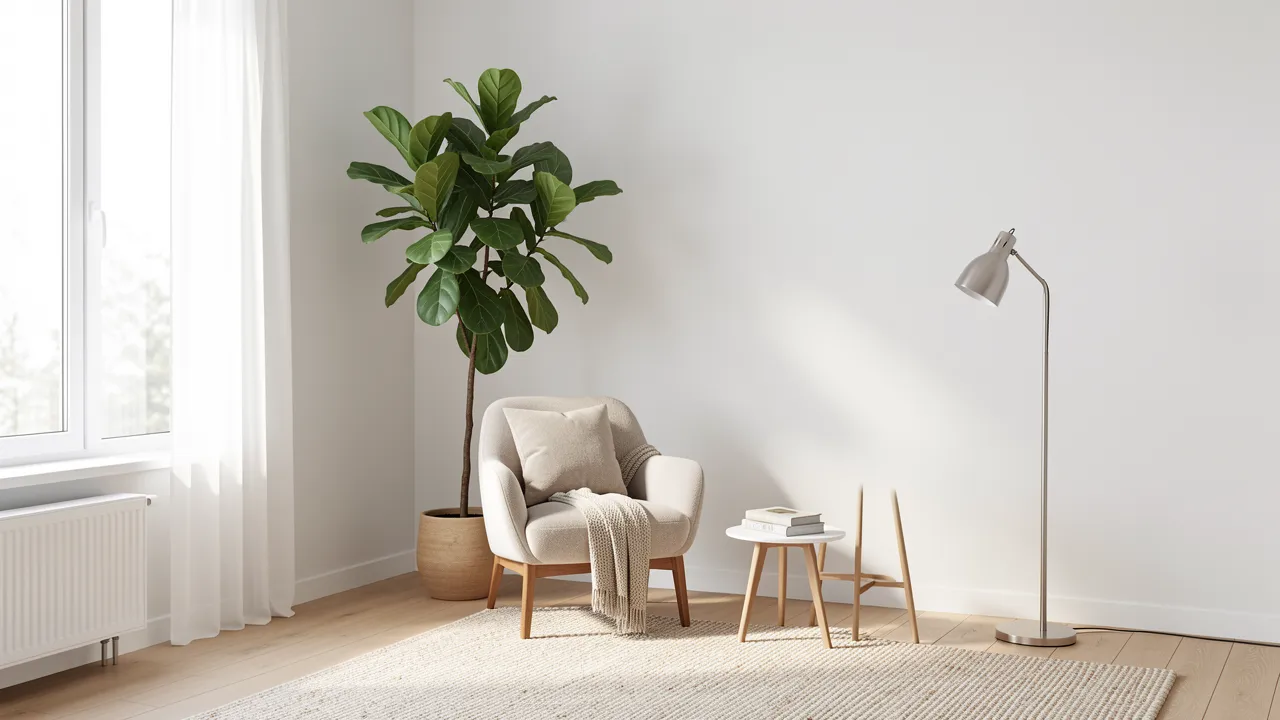
When you are styling overlooked wall areas, Creative ways to style empty corners offers ideas that can help you use an awkward nook without turning it into visual clutter.
Choose colours that support a lighter atmosphere
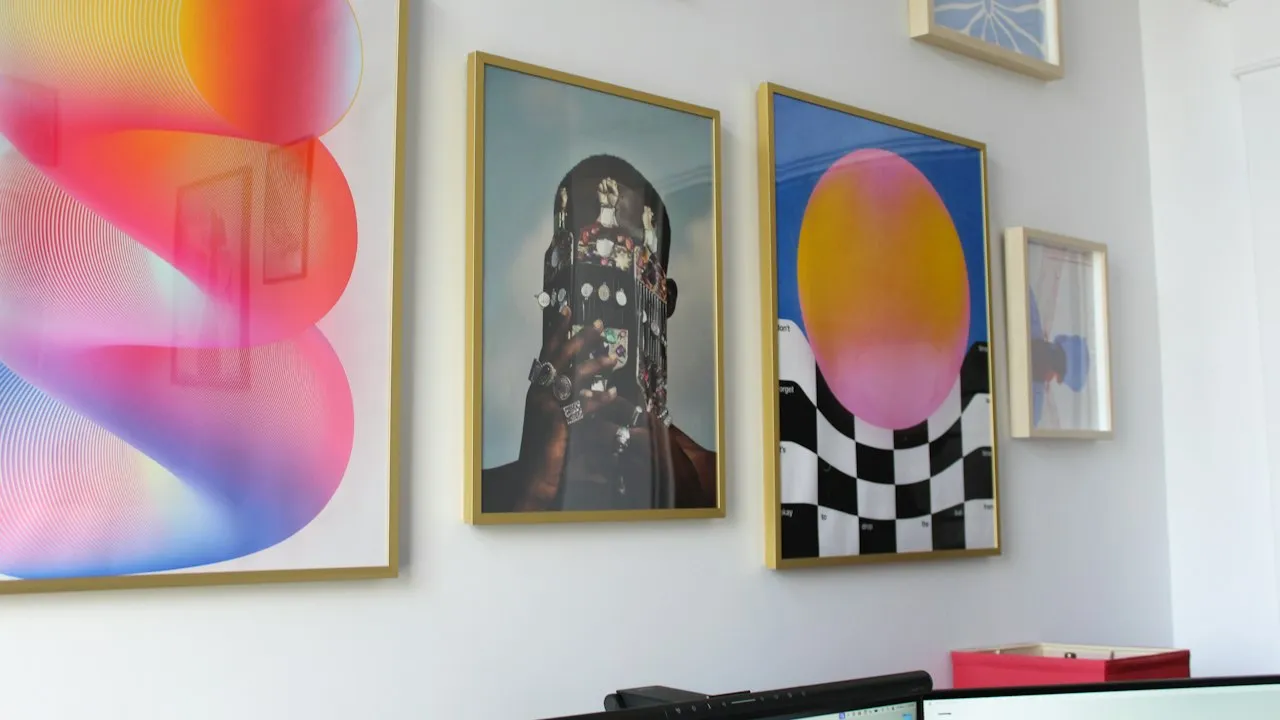
Colour influences how large or enclosed a small room appears. Light backgrounds, gentle tonal changes and restrained palettes tend to create an airy effect. This does not mean you must avoid bold art. A vivid piece can provide welcome energy, but it usually works best when the room has a simple foundation.
Look for artwork that repeats one or two colours already present in the room, such as the shade of your cushions, rug, curtains or bedding. This visual connection makes the art feel integrated. A navy line drawing can tie in with blue cushions, while a warm terracotta print may echo a clay vase or rust-coloured throw.
For a peaceful result, consider pieces with soft landscapes, minimalist line work, botanical forms or muted photography. If you prefer more dramatic art, choose a strong central image with some negative space around it. A busy composition in a dense frame, placed beside patterned wallpaper and open shelving, can make a compact room feel more confined.
Artwork with breathing room often feels more luxurious than a wall crowded with small decorative objects.
Use frames and finishes to control visual weight
The frame is part of the artwork’s overall impact. Heavy, ornate frames can suit a traditional interior, yet they may dominate a very small room. Slim timber, pale oak, white, black or brushed metal frames are often easier to incorporate because they create definition without adding excess bulk.
You can also use a mount to give a smaller artwork more presence. A wide white mount adds empty space around the image and makes it feel considered. This is particularly useful for detailed photographs, postcards or smaller drawings that might otherwise disappear on a larger wall.
Try to keep frame finishes consistent when building a gallery wall. Matching every frame is not necessary, but choosing two complementary finishes, such as oak and black, gives a collection rhythm. In a small bedroom, this restraint can help the wall look curated rather than accidental.
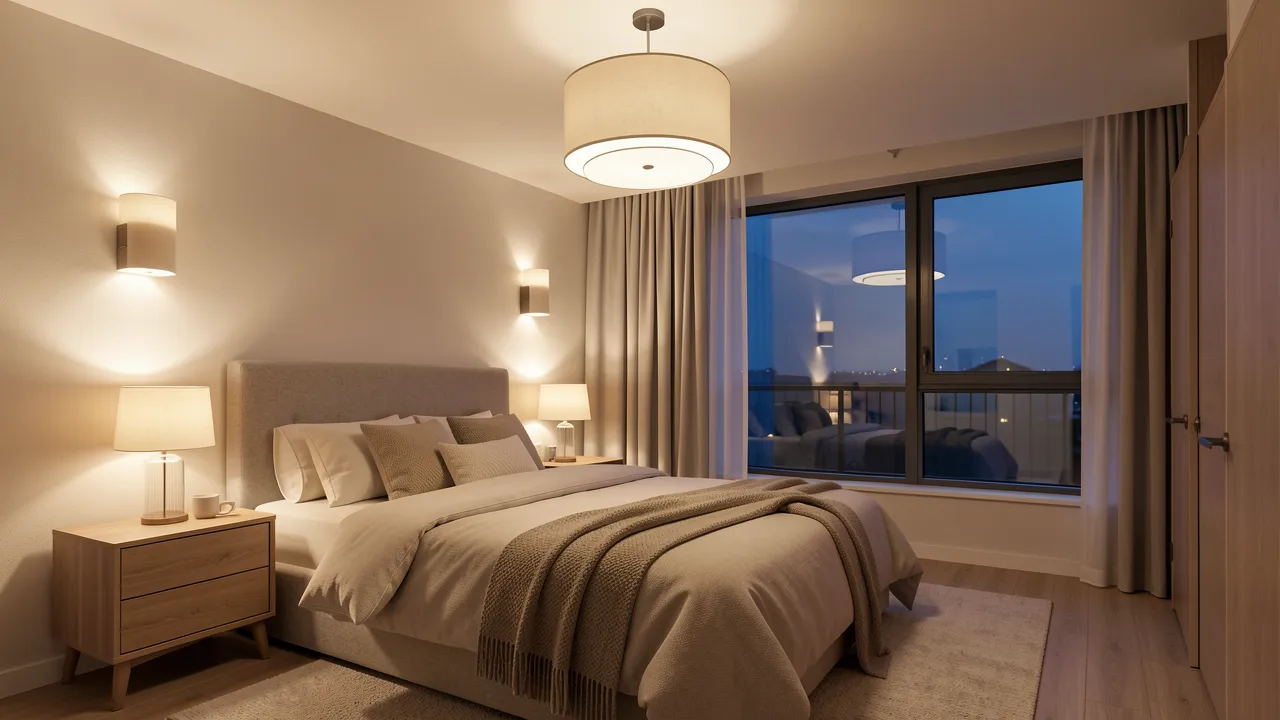
Lighting changes the way colours, textures and glass surfaces appear. If your chosen piece hangs near the bed, consider How to layer bedroom lighting effectively so that wall lights, bedside lamps and overhead illumination do not create distracting glare.
Decide whether one statement piece or a gallery wall suits you
Both approaches can work, but they create distinctly different moods. A statement piece is a strong choice when you want a clean, calm room with an obvious focal point. Choose art that holds your attention without relying on too many tiny details. Large-scale photography, a simple abstract canvas or a graphic monochrome print can all be effective.
A gallery wall gives you more opportunity to show personal taste. Family photographs, travel prints, vintage illustrations and small original works can become a meaningful display. In a small room, keep the layout compact. Treat the frames as one unit, rather than spreading them across an entire wall.
Lay the arrangement on the floor first, or use paper templates taped to the wall. Aim for even gaps between frames, usually around five to eight centimetres. Keep the gallery aligned with a nearby feature, such as the edge of a bed, desk or chest of drawers.
If the wall already sits above substantial furniture, allow the art to complement the storage rather than compete with it. These Essential Bedroom Furniture and Storage Ideas can help you balance practical pieces with decorative wall space.
Place art where it adds depth rather than clutter
Mirrors are often recommended for small rooms, but art can create a similarly expansive effect when it suggests distance or movement. A coastal photograph, an architectural scene with a long perspective, or a landscape with a visible horizon can draw the eye beyond the room’s physical limits.
Avoid hanging every piece at the same height regardless of its surroundings. Above a console table, centre the artwork in relation to the furniture. Along a staircase, follow the rise of the steps. Near a reading chair, a smaller piece may sit slightly lower to create an intimate zone.
Leave some walls empty on purpose. Blank space gives your chosen artwork greater presence and prevents a small room from feeling visually overfilled.
A smaller room can still have a memorable art collection
The most successful artwork choices for compact spaces combine personal meaning with a clear visual plan. You do not need to buy large quantities of art or follow a rigid style. Instead, select pieces that suit the room’s scale, repeat its colours and create a focal point where one is needed.
Keep these principles in mind:
- Measure the usable wall area before selecting artwork.
- Choose a single large piece when you want a calm focal point.
- Use compact gallery walls for personal collections and smaller prints.
- Coordinate colours and frame finishes with the wider décor.
- Consider glare, lighting and nearby furniture before hanging anything.
- Preserve empty wall space to maintain an open, balanced feeling.